



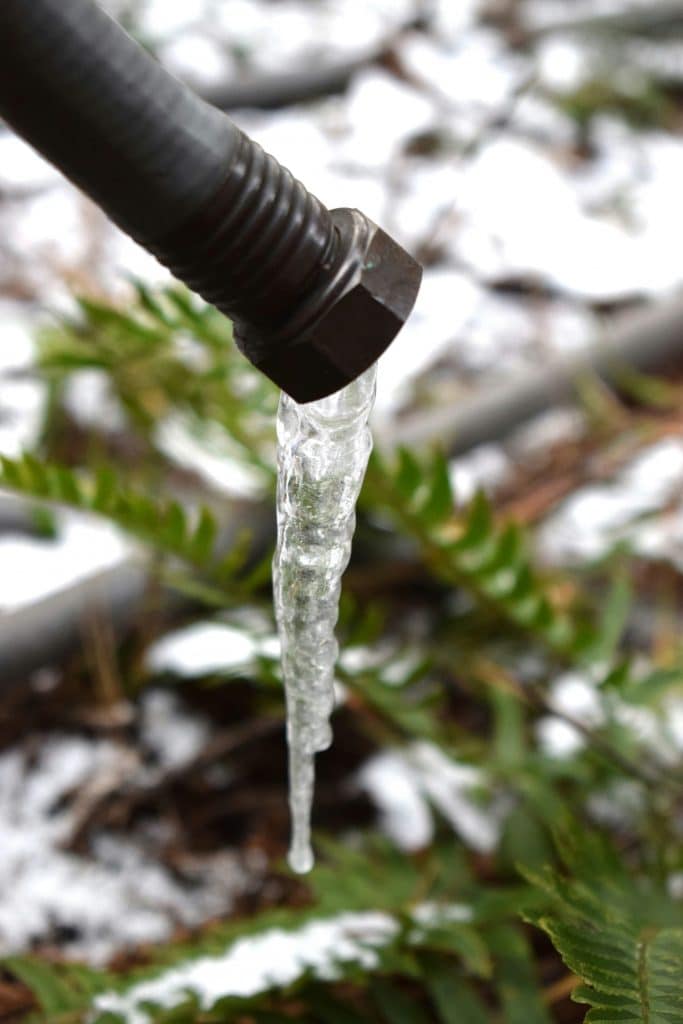
Even in North Texas, winter temperatures can dip low enough to cause serious plumbing problems. Frozen pipes are one of the most common—and costly—cold-weather issues homeowners face. When water freezes inside a pipe, it expands, increasing pressure and often causing the pipe to crack or burst once it thaws. At Ernie’s Plumbing, we help homeowners across Arlington and the Dallas-Fort Worth area take proactive steps to prevent frozen pipes in winter and avoid unexpected water damage.
Here’s what you need to know to keep your pipes protected all season long.
Why Frozen Pipes Are a Big Risk in Winter
Many homeowners assume frozen pipes are only a problem in colder climates, but Texas homes are often more vulnerable because pipes may not be as well insulated. Sudden cold snaps can catch homeowners off guard, especially when plumbing runs through unheated areas like garages, attics, crawl spaces, or exterior walls.
Frozen pipes don’t always fail immediately. Sometimes the real damage happens when temperatures rise and the ice inside the pipe melts, releasing water into walls, ceilings, or floors. That’s why prevention is so important.
Insulate Exposed Pipes
One of the most effective ways to prevent frozen pipes in winter is proper insulation. Pipes located in unheated areas are at the highest risk.
Use foam pipe insulation or pipe sleeves to wrap exposed pipes in garages, attics, basements, and crawl spaces. Pay special attention to pipes near exterior walls. Insulation helps retain heat and reduces the chance of freezing during cold nights.
If you’re not sure where your most vulnerable pipes are, Ernie’s Plumbing can inspect your system and recommend targeted insulation solutions.
Let Faucets Drip During Freezing Temperatures
When temperatures drop below freezing, allowing faucets to drip slightly can make a big difference. Moving water is much less likely to freeze than standing water.
Turn on both hot and cold faucets connected to vulnerable pipes and let them drip slowly overnight during extreme cold. This small flow helps relieve pressure and reduces the risk of freezing and bursting.
Keep Cabinet Doors Open
Pipes under sinks—especially those located along exterior walls—are often exposed to colder air. Keeping cabinet doors open allows warm air from your home to circulate around the pipes.
This simple step can help prevent freezing in kitchens and bathrooms during cold spells, particularly overnight when indoor temperatures may drop.
Seal Air Leaks Around Pipes
Cold air entering your home through small gaps can quickly freeze nearby pipes. Check areas where pipes enter walls, floors, or ceilings and seal any openings with caulk or expanding foam.
Common areas to inspect include garages, utility rooms, and exterior walls. Sealing drafts helps maintain warmer temperatures around your plumbing and improves overall energy efficiency.
Disconnect and Protect Outdoor Plumbing
Outdoor plumbing is especially vulnerable in winter. Garden hoses left connected can trap water inside outdoor faucets, increasing the risk of freezing and damage.
Before winter arrives, disconnect all hoses and drain them completely. If possible, shut off the water supply to exterior faucets and open the faucet to let any remaining water drain out. Installing insulated hose bib covers adds another layer of protection.
Maintain a Consistent Indoor Temperature
Keeping your home at a consistent temperature—even when you’re away—helps protect your plumbing system. Avoid turning the thermostat down too low overnight or while traveling.
If you plan to be away during winter, keep your thermostat set to at least 55°F and consider shutting off your main water supply as an added precaution.
Know the Signs of Frozen Pipes
Early detection can help minimize damage. Warning signs include reduced water flow, strange odors from drains, or frost forming on exposed pipes. If you suspect a pipe is frozen, avoid using open flames or high heat to thaw it, as this can cause further damage.
Instead, gently warm the area with a hair dryer or space heater, and call a professional if you’re unsure.
Schedule a Winter Plumbing Inspection
The best way to protect your home is with a professional inspection before or during winter. A licensed plumber can identify vulnerable areas, recommend insulation, and ensure your plumbing system is prepared for cold weather.
At Ernie’s Plumbing, we help homeowners across Arlington and DFW take the right steps to prevent frozen pipes in winter and avoid emergency repairs.
If you’d like help winterizing your plumbing or have concerns about cold-weather protection, contact Ernie’s Plumbing today. We’ll make sure your pipes are ready to handle whatever winter brings.
Leave a Reply